
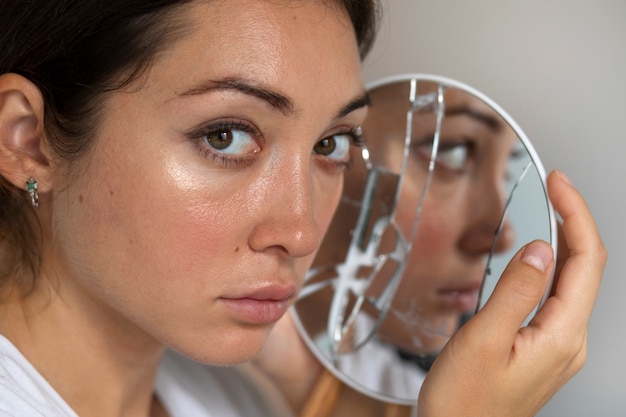
The skin is the body’s largest organ, serving not only as a protective barrier but also as a reflection of our overall health. Understanding skin disorders is essential for maintaining both physical appearance and emotional well-being. From acne to eczema, dermatological conditions can manifest in various ways, and recognizing the symptoms is the first step towards effective treatment. This article delves into some of the most prevalent common skin conditions, providing insights into their causes, symptoms, and management.
The Importance of Dermatology Basics
Dermatology is the branch of medicine focused on diagnosing and treating skin, hair, and nail disorders. The dermatology basics include understanding the structure of the skin, which consists of three primary layers: the epidermis, dermis, and subcutaneous tissue. Each layer plays a vital role in protecting the body and maintaining skin health.
- Epidermis: The outermost layer, responsible for providing a barrier against environmental factors.
- Dermis: Contains blood vessels, hair follicles, and sweat glands, contributing to the skin’s strength and elasticity.
- Subcutaneous tissue: Composed of fat and connective tissue, it acts as insulation and a shock absorber.
This foundational knowledge is crucial for identifying and addressing dermatological issues effectively.
Recognizing Common Skin Conditions
1. Acne
Perhaps the most recognized skin condition, acne affects individuals of all ages, although it predominantly impacts adolescents. Characterized by the presence of pimples, blackheads, and cysts, acne occurs when hair follicles become clogged with oil and dead skin cells. Hormonal changes, diet, and stress can exacerbate this condition.
Treatment often involves a combination of topical retinoids, benzoyl peroxide, and, in some cases, oral medications. Skin health awareness is vital in managing acne; understanding triggers can help individuals make informed lifestyle choices.
2. Eczema
Eczema, or atopic dermatitis, is a chronic condition that causes inflammation, redness, and itching. It commonly appears in early childhood but can persist into adulthood. The exact cause of eczema is multifactorial, involving genetic predisposition and environmental factors such as allergens and irritants.
Management of eczema often includes the use of emollients to keep the skin hydrated, alongside topical corticosteroids to reduce inflammation. Awareness of potential triggers—like certain fabrics or foods—can significantly improve quality of life for those affected.
3. Psoriasis
Psoriasis is an autoimmune condition that leads to the rapid growth of skin cells, resulting in thick, scaly patches. This chronic disorder often flares up due to triggers such as stress, infections, or certain medications. Psoriasis can be localized or widespread, and it can significantly impact an individual’s self-esteem and social interactions.
Treatment strategies for psoriasis vary, from topical treatments and phototherapy to systemic medications that modulate the immune system. Emphasizing skin health awareness is essential for individuals living with psoriasis, as lifestyle modifications can help manage flare-ups.
4. Rosacea
Rosacea is a chronic skin condition characterized by facial redness, visible blood vessels, and sometimes acne-like breakouts. Although the exact cause remains elusive, it is believed to be linked to genetic and environmental factors. Triggers may include spicy foods, alcohol, and extreme temperatures.
While there is no cure for rosacea, various treatments, including topical medications and laser therapy, can alleviate symptoms. Awareness of personal triggers is key for individuals dealing with rosacea, enabling them to adopt strategies to minimize flare-ups.
5. Skin Cancer
Skin cancer, including melanoma and non-melanoma types, is a severe concern that arises from uncontrolled growth of skin cells. Excessive sun exposure and the use of tanning beds significantly increase the risk. Regular skin examinations and self-checks are crucial for early detection and successful treatment.
Preventative measures include wearing sunscreen, seeking shade, and wearing protective clothing. Understanding skin disorders like skin cancer empowers individuals to take proactive steps in safeguarding their skin health.
Conclusion
In summary, understanding skin disorders is not only important for identifying and treating common conditions but also for promoting overall health. By familiarizing oneself with the dermatology basics, recognizing the signs of prevalent skin conditions, and practicing skin health awareness, individuals can take charge of their dermatological health. Embracing knowledge empowers us to make informed decisions, seek appropriate treatment, and maintain healthy, radiant skin.
Whether it’s acne, eczema, psoriasis, rosacea, or skin cancer, awareness and education are the cornerstones of effective management. In a world where skin health is often overlooked, taking the time to understand these common conditions can lead to improved well-being and enhanced quality of life. Remember, your skin tells a story—make sure it’s a healthy one!



More Stories
Glitter isn’t just for the face—discover how a cosmetic dermatologist can turn your skin into your best accessory.
Glitter isn’t just for the face—discover how a cosmetic dermatologist can help you glow with confidence, inside and out.
Glitter isn’t just for the face—discover how a cosmetic dermatologist can turn your skin into your most radiant masterpiece.