
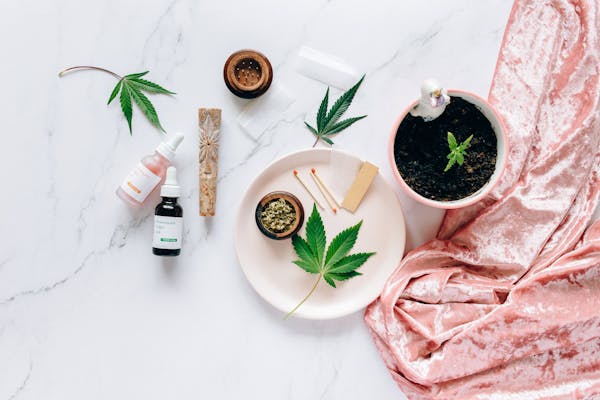
The world of herbal medicine offers a vast landscape of healing, and the idea of crafting your own natural remedies brings that healing power into your home. With nature providing an abundance of plants with medicinal properties, DIY herbal medicine remedies are not only effective but also give you complete control over the ingredients you use. Making these remedies can be a simple and rewarding process, enabling you to tailor treatments to your specific needs and preferences. Let’s dive into how you can start making your own herbal remedies and explore the incredible benefits of creating personalized, natural treatments.
Why Create Your Own Herbal Remedies?
There is something empowering about creating personalized herbal treatments. You don’t have to rely on store-bought solutions when you can make remedies with fresh, natural ingredients from your own garden or local market. By understanding the properties of various herbs, you can design treatments tailored specifically to your body’s needs.
Additionally, crafting homemade herbal medicine solutions offers many advantages:
- Control over quality: You know exactly what goes into your remedies, avoiding synthetic additives or chemicals.
- Customization: You can adapt your formulas to address multiple health concerns at once, creating the perfect blend for your personal wellness.
- Cost-effectiveness: Herbal remedies made at home are often more affordable than commercial products.
- Connection to nature: The process of gathering and preparing herbs fosters a deeper connection with nature, enriching your self-care routine.
Essential Ingredients for Herbal Remedies
When making your own herbal remedies, it’s important to start with the basics. Many herbs have well-documented healing properties, so learning about them will help you choose the best ones for your needs.
Here are a few commonly used herbs that serve as a foundation for a variety of DIY herbal medicine remedies:
- Lavender: Known for its calming properties, lavender is excellent for stress relief and sleep aids.
- Peppermint: Used to ease digestive issues and relieve headaches, peppermint is a great addition to both topical and internal remedies.
- Chamomile: A gentle herb with anti-inflammatory and soothing properties, ideal for skin care and relaxation remedies.
- Echinacea: This immune-boosting herb is popular for warding off colds and flu.
- Ginger: A powerhouse for digestion, inflammation, and nausea, ginger is highly versatile in herbal medicine.
- Calendula: Excellent for wound healing, skin irritation, and inflammation, calendula is often used in salves and creams.
Once you’ve selected your herbs, you’ll also need a few other ingredients to craft your homemade herbal medicine solutions:
- Carrier oils: Olive oil, coconut oil, or almond oil are often used to infuse herbs for topical treatments.
- Beeswax: This solidifying agent is commonly used in making balms and salves.
- Alcohol or vinegar: These can be used to create tinctures, which are highly concentrated herbal extracts.
- Herbal teas: Fresh or dried herbs steeped in water can provide quick and easy remedies for internal use.
Methods for Making Herbal Medicine at Home
There are various methods for creating personalized herbal treatments, each designed to extract the medicinal properties of herbs in different ways. Let’s explore a few common approaches:
1. Herbal Infusions (Teas)
One of the simplest ways to harness the power of herbs is by creating infusions. These are herbal teas that steep in hot water for 10–20 minutes, allowing the active compounds to release. Infusions are ideal for herbs like chamomile, peppermint, and ginger, which work well for digestive support, relaxation, and cold remedies.
2. Tinctures
A tincture is a concentrated liquid extract made by soaking herbs in alcohol or vinegar over a period of weeks. Tinctures are potent and can be taken in small doses to support the immune system, reduce inflammation, or address other health concerns. Echinacea tinctures, for example, are widely used to stave off colds.
3. Salves and Balms
For external treatments, herbal salves are an excellent way to soothe the skin and promote healing. To make a salve, infuse herbs like calendula or lavender in a carrier oil (such as olive or coconut oil) and then blend the infused oil with beeswax to form a solid balm. These homemade herbal medicine solutions can be applied to cuts, burns, or dry skin.
4. Herbal Oils
Herbal oils are similar to tinctures but are made by infusing herbs in oil rather than alcohol. These oils can be used for massage, skincare, or hair treatments. Infusing rosemary in olive oil, for instance, creates a wonderful hair tonic that stimulates scalp circulation and promotes hair growth.
5. Poultices and Compresses
For localized pain or inflammation, poultices are highly effective. A poultice involves crushing fresh herbs and applying them directly to the skin, while compresses use cloth soaked in herbal infusions. Herbs like ginger and peppermint are often used for their warming and soothing effects on sore muscles and joints.
Customizing Your Remedies
One of the greatest benefits of making your own herbal remedies is the ability to customize them for specific ailments or preferences. Want a sleep-inducing blend? Try combining lavender, chamomile, and valerian root in a tincture. Looking to ease joint pain? A salve made with ginger, turmeric, and cayenne will bring warmth and relief.
Customizing your homemade herbal medicine solutions allows you to experiment with different combinations and potencies. You can also control the format of your remedies — from teas and tinctures to balms and salves — to best suit your needs.
Safety Considerations
While crafting DIY herbal medicine remedies is fun and rewarding, it’s essential to follow a few safety guidelines. Always research the herbs you’re using to ensure they are appropriate for your health condition, and consult with a healthcare provider if you’re pregnant, nursing, or taking medications. Not all herbs are safe for everyone, and it’s important to know the correct dosages and any potential side effects.
Conclusion
Making your own herbal remedies opens up a world of natural healing possibilities. Whether you’re crafting a calming lavender balm or a potent echinacea tincture, the power to support your health naturally lies in your hands. With the right knowledge and ingredients, you can create a personalized herbal medicine cabinet that enhances your well-being — naturally, effectively, and affordably.



More Stories
Unlock nature’s pharmacy: How herbal medicine can heal your body from the inside out
Unlock nature’s pharmacy: How herbal medicine is rewriting modern wellness
Unlock the Hidden Power of Herbs: Nature’s Secret Weapons for Health & Vitality